How a hydraulic power unit works
Hydraulic power units are the foundation for the operation of many industrial machines. They are used when it is necessary to generate and control hydraulic energy to drive cylinders, motors, and other system components, ensuring force, work continuity, and precision of movement.
Understanding how a hydraulic power unit works is useful both for those who design machinery and for those who must choose a solution suitable for their application. In fact, a well-dimensioned unit contributes to improving machine performance, reducing anomalies, and increasing the reliability of the system over time.
In this article, we examine what a hydraulic power unit is, what its main components are, how the circuit works, and why design directly affects efficiency, safety, and durability.

What is a hydraulic power unit
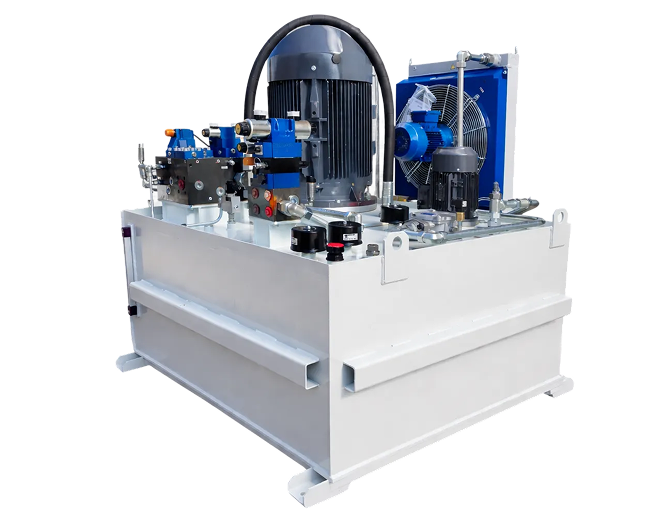
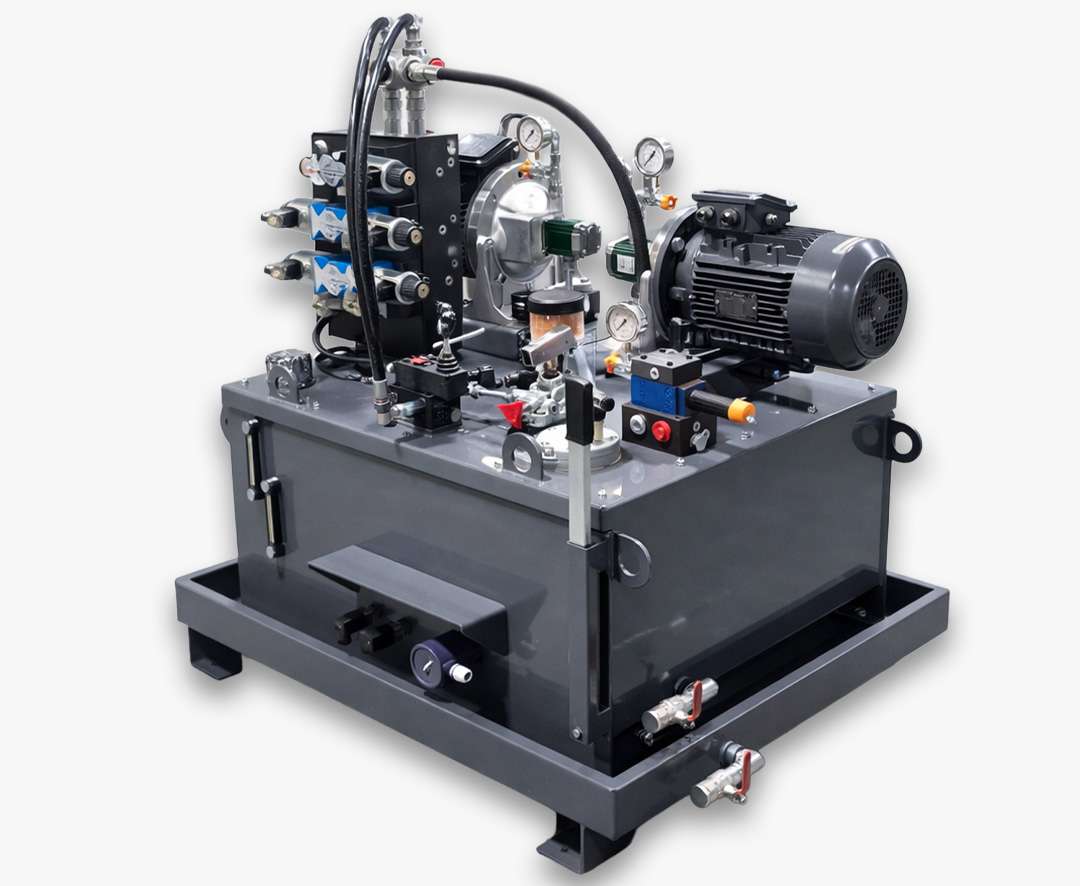
A hydraulic power unit is a system designed to generate, regulate, and distribute hydraulic energy within a plant or machine. In practice, it transforms the mechanical energy of the motor into hydraulic energy, using a pressurized fluid, normally oil, to drive cylinders, valves, and other circuit components.
The principle is simple: the unit produces the pressure and flow rate necessary to set the system in motion. Behind this apparent simplicity, however, lies very precise technical design. A unit must not only “make the machine work,” but must guarantee stability, motion control, operational continuity, and safety under real working conditions.
For this reason, a hydraulic power unit cannot be considered a standard component to be adapted loosely. In many cases, it must be developed based on specific parameters such as required pressure, flow rate, duty cycle, ambient temperature, type of application, and loads to be moved.
What a hydraulic power unit is used for
The main function of a hydraulic power unit is to provide pressure and flow to the circuit, so as to allow the machine to perform the required work in a stable and controlled manner.
Hydraulic power units are used in many industrial applications, for example:
– automatic machines
– lifting systems
– machine tools
– handling systems
– agricultural applications
– railway sector
– naval sector
– special industrial plants
In all these cases, hydraulics are chosen when high power, precise movements, and operational reliability are needed, even under intense working conditions.
How a hydraulic power unit works
The operation of a hydraulic power unit is based on a simple principle: a motor drives a pump, the pump draws oil from the reservoir and sends it into the circuit under pressure. The pressurized fluid then reaches the valves and actuators, which use it to produce the necessary movement or force.
Once its function is completed, the oil returns to the reservoir and the cycle begins again.
This continuous process allows the system to be powered and the machine’s behavior to be controlled. However, the quality of the result depends on many factors, including:
– correct pump dimensioning
– motor selection
– valve calibration
– fluid cleanliness
– temperature management
– circuit configuration
When all these elements work in balance, the unit is able to guarantee consistent performance, smooth movement, and long component life.
The main components of a hydraulic power unit
To better understand how a hydraulic power unit works, it is useful to analyze the main elements that compose it.
Reservoir
The reservoir contains the hydraulic oil necessary for the system’s operation. In addition to storing the fluid, it also helps dissipate heat, promote air separation, and allow for the settling of any impurities. An incorrectly dimensioned reservoir can negatively affect thermal stability and fluid quality.
Motor
The motor provides the mechanical energy necessary to drive the pump. It can be electric or, in some specific applications, of another type. The choice of motor must be consistent with the system’s power requirements, the duty cycle, and the expected operating conditions.
Hydraulic pump
The hydraulic pump is the component that generates the fluid flow. It draws oil from the reservoir and sends it into the circuit, creating the conditions necessary to develop pressure. The pump is therefore one of the most important elements of the unit. An incorrect choice can cause inefficiency, overheating, high consumption, and performance unsuitable for the application.
Hydraulic valves
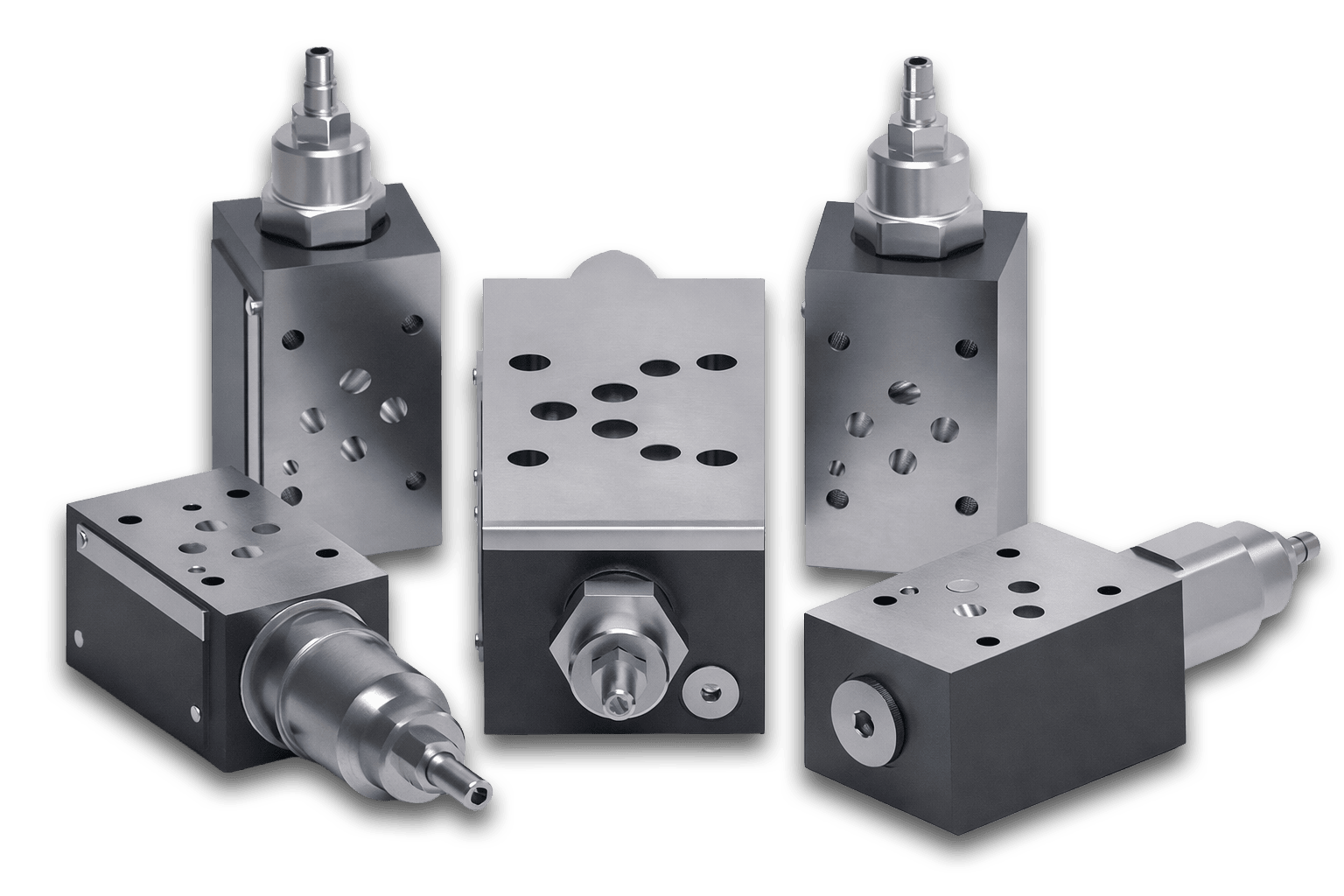
Hydraulic valves are used to regulate, control, and direct the flow of oil. They can manage pressure, fluid direction, movement speed, and actuator behavior. They are fundamental for achieving smooth movements, load control, and operational safety.
Hydraulic filters
Hydraulic filters protect the circuit from fluid contamination. The presence of impurities in the oil can compromise the operation of pumps, valves, and cylinders, reducing precision and reliability. Correct filtration is essential to preserve the system and extend its useful life.
Actuators
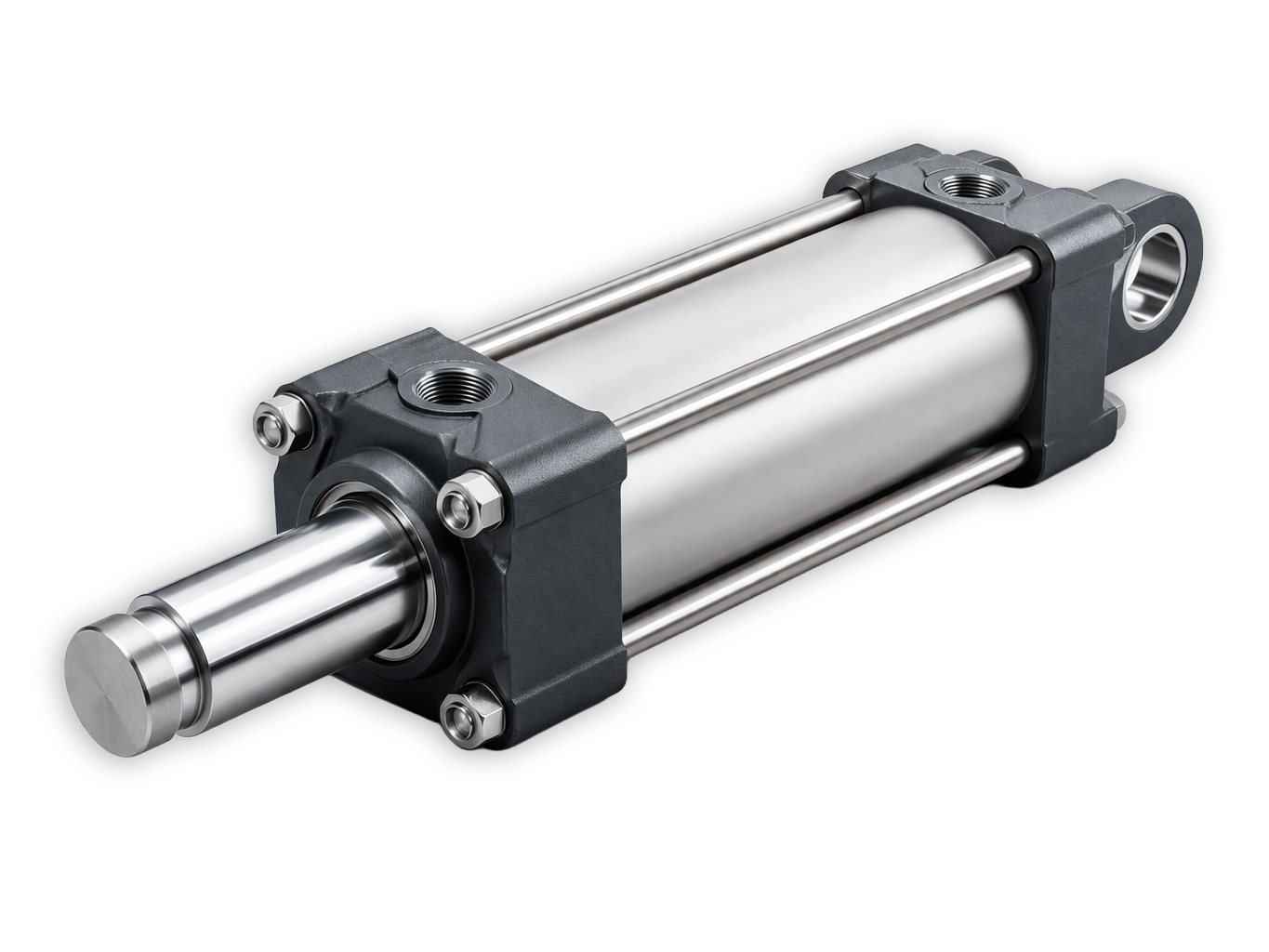
Actuators, such as cylinders and hydraulic motors, transform the energy of the fluid into movement or force. They are the components that physically perform the work required by the machine. The hydraulic power unit exists precisely to power these elements in a correct and controlled manner.
Accessories and control devices
Depending on the application, a unit may also include heat exchangers, sensors, pressure switches, level indicators, pressure gauges, and other devices useful for monitoring and maintaining the system within the intended operating parameters.
The role of pressure and flow rate
When discussing the operation of a hydraulic power unit, two concepts are fundamental: pressure and flow rate.
Pressure represents the force with which the fluid acts in the circuit. Flow rate, on the other hand, indicates the amount of fluid moved within a certain time interval.
In very simple terms:
– pressure is related to the required force
– flow rate is related to the speed of movement
For this reason, a hydraulic power unit must be designed taking both parameters into account. An error in evaluating pressure or flow rate can compromise the behavior of the entire system.
Why design is so important
A hydraulic power unit must not simply work. It must work well, with continuity, precision, and reliability over time.
Design is decisive because every application has specific needs. It is necessary to consider:
– type of movement
– load to be managed
– cycle time
– working environment
– available space
– required precision level
– thermal conditions
– type of use
When these aspects are neglected, the result can be a unit that is apparently operational but inefficient or unreliable. The most common problems are:
– jerky movements
– oil overheating
– abnormal noise
– premature component wear
– loss of performance
– machine downtime
Correct design, instead, allows for a more stable, efficient, and durable system.
Standard unit or custom hydraulic power unit?
In some applications, a standard solution may be sufficient. In many industrial contexts, however, the best choice is a custom hydraulic power unit, designed based on the actual needs of the machine.
A customized unit allows for:
– optimizing dimensions and layout
– adapting pressure and flow rate to the actual work
– improving motion control
– reducing waste and over-dimensioning
– facilitating maintenance and service
– increasing system reliability and durability
This aspect is particularly important in special machines and in all applications where motion control and operational stability are essential requirements.
How to choose the right hydraulic power unit
To correctly choose a hydraulic power unit, one must start from the technical data of the application. In particular, it is important to know:
– required pressure
– necessary flow rate
– type of actuators
– number of users to be managed
– duty cycle
– ambient temperature
– available space
– required precision level
The more precise the initial information, the more possible it will be to develop an effective solution. Conversely, a generic request often leads to approximate choices that, over time, can translate into higher costs and lower reliability.
A well-designed hydraulic power unit makes the difference
Choosing the right hydraulic power unit does not only mean identifying the necessary components, but developing a solution capable of guaranteeing reliable performance, motion control, and operational continuity over time.
Correct design allows for a more efficient system, reduces the risk of anomalies, and limits costs related to breakdowns, downtime, and unscheduled maintenance. For this reason, when choosing a hydraulic power unit, it is important to evaluate not only the product but also the technical experience, design capability, and the level of customization of the solution.
CMH supports companies and manufacturers with a technical approach oriented toward the design of reliable hydraulic solutions, studied based on actual application needs. This allows for the development of hydraulic power units capable of offering the right balance between power, precision, and reliability, with particular attention to machine performance and work continuity.